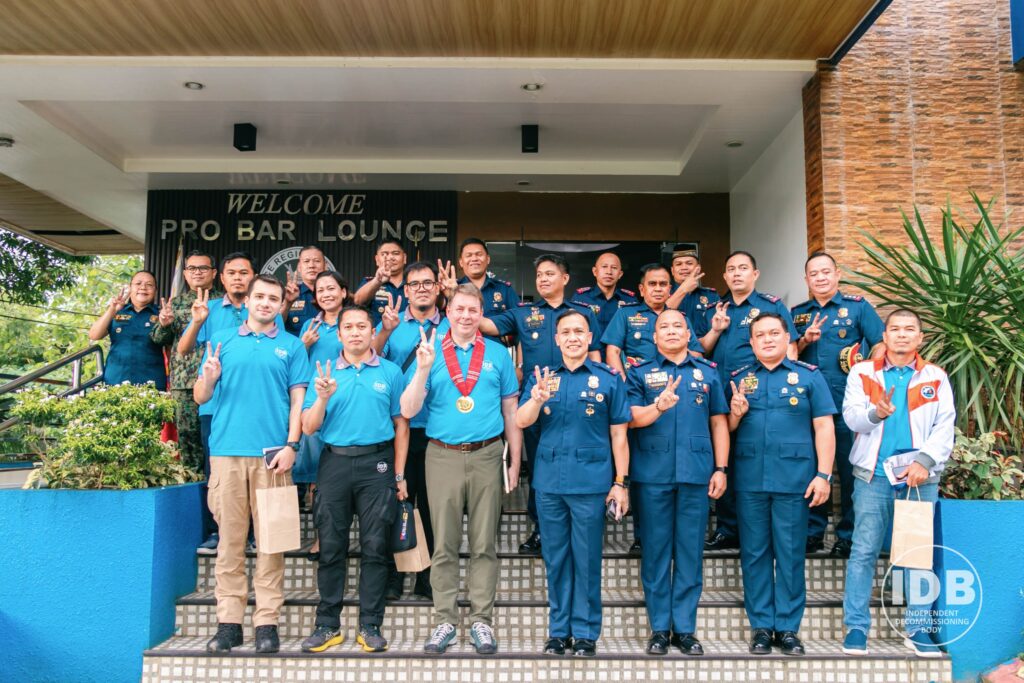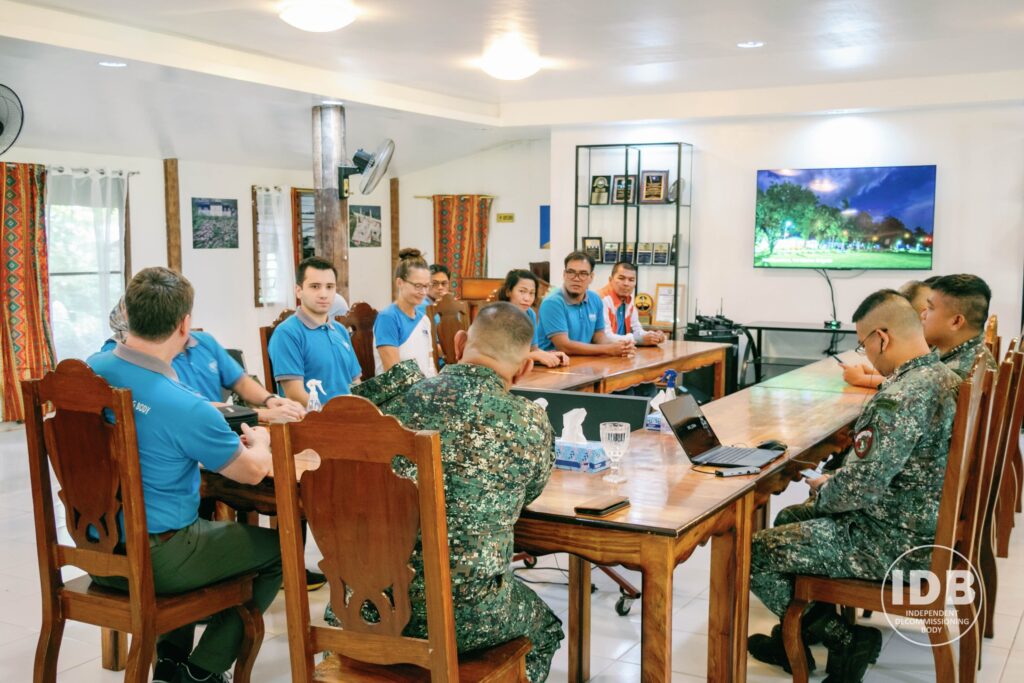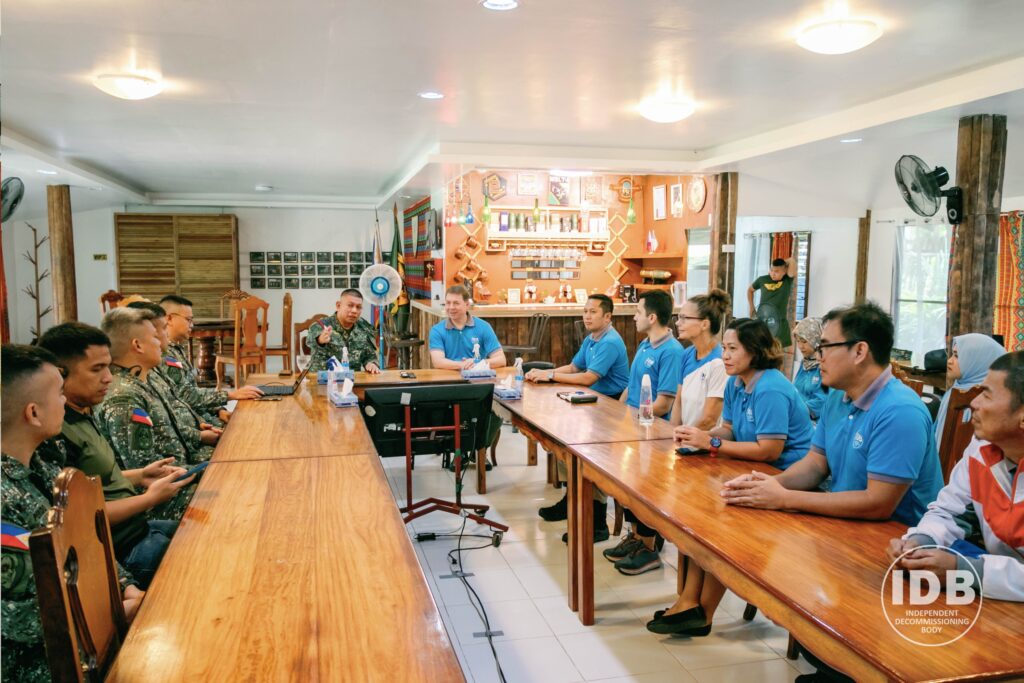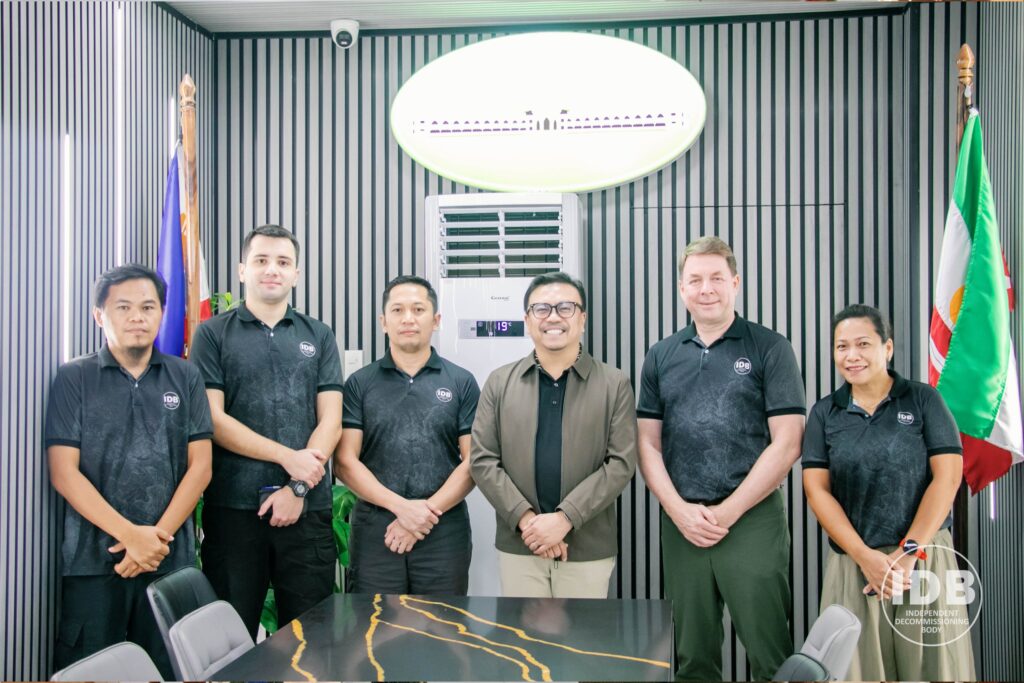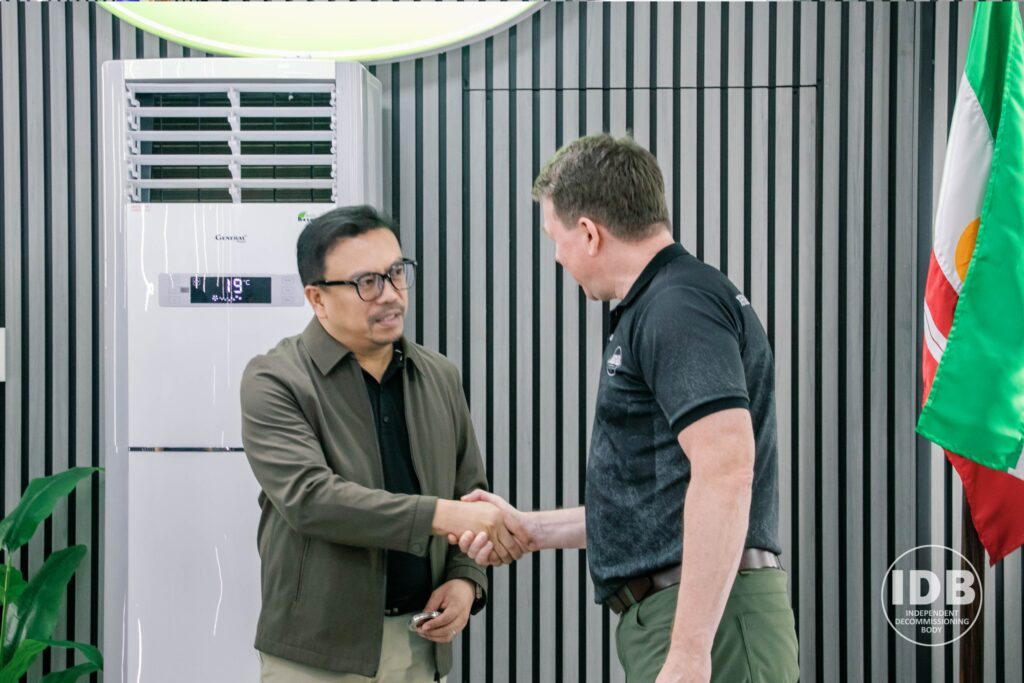
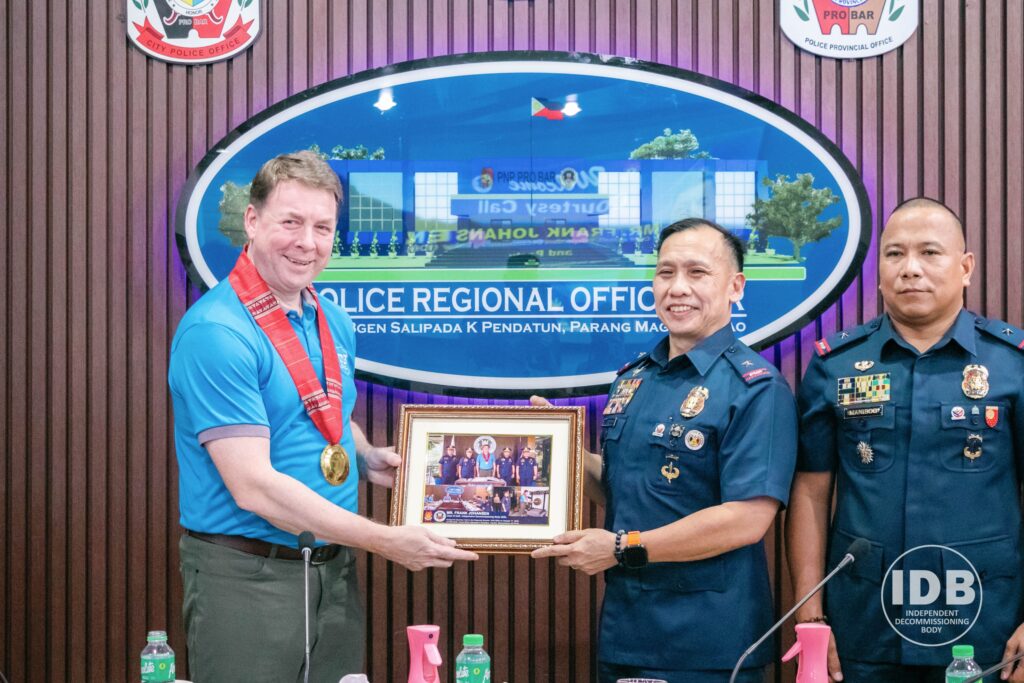
Cotabato City, BARMM – The Independent Decommissioning Body (IDB) recently concluded a series of courtesy visits, a necessary step following the transition of its key operational leadership. The main purpose of these engagements was to re-affirm the IDB’s impartial and integral role in overseeing the decommissioning of combatants and weapons, which is central to the wider peace process in the Bangsamoro Region. Given that the new heads of the organization’s staff have assumed their roles, these visits were essential for establishing continuity and strengthening working relationships with partner mechanisms.
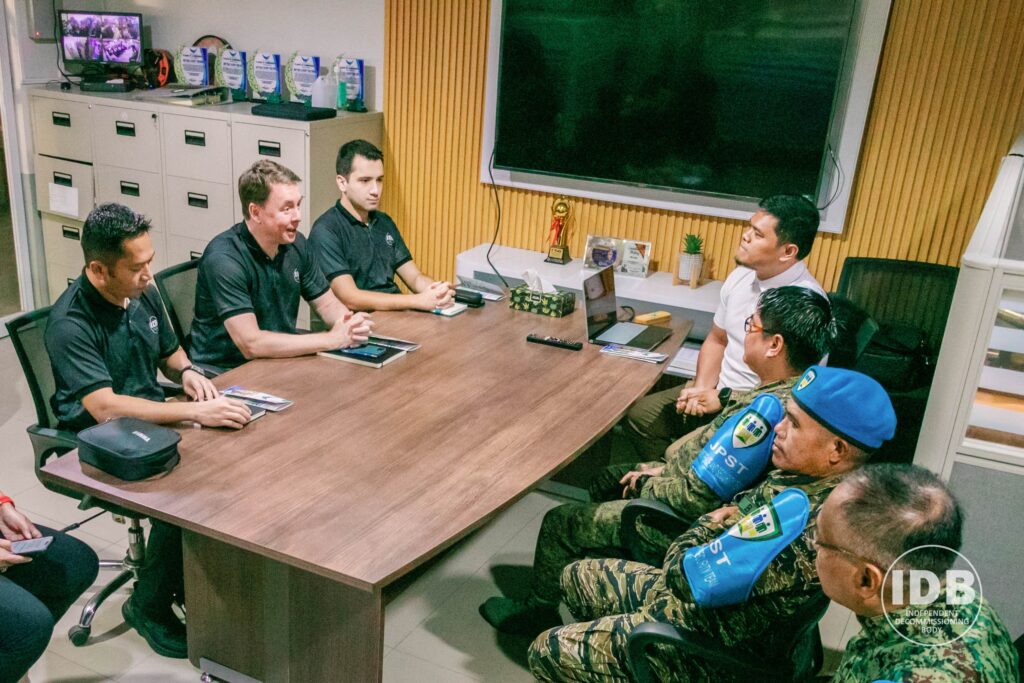
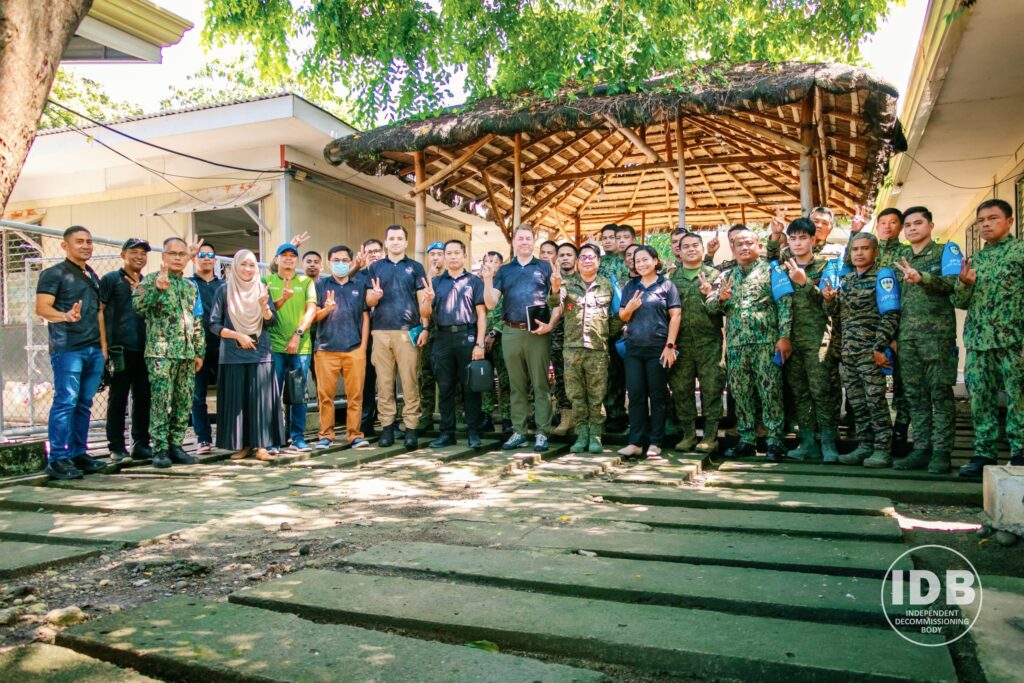
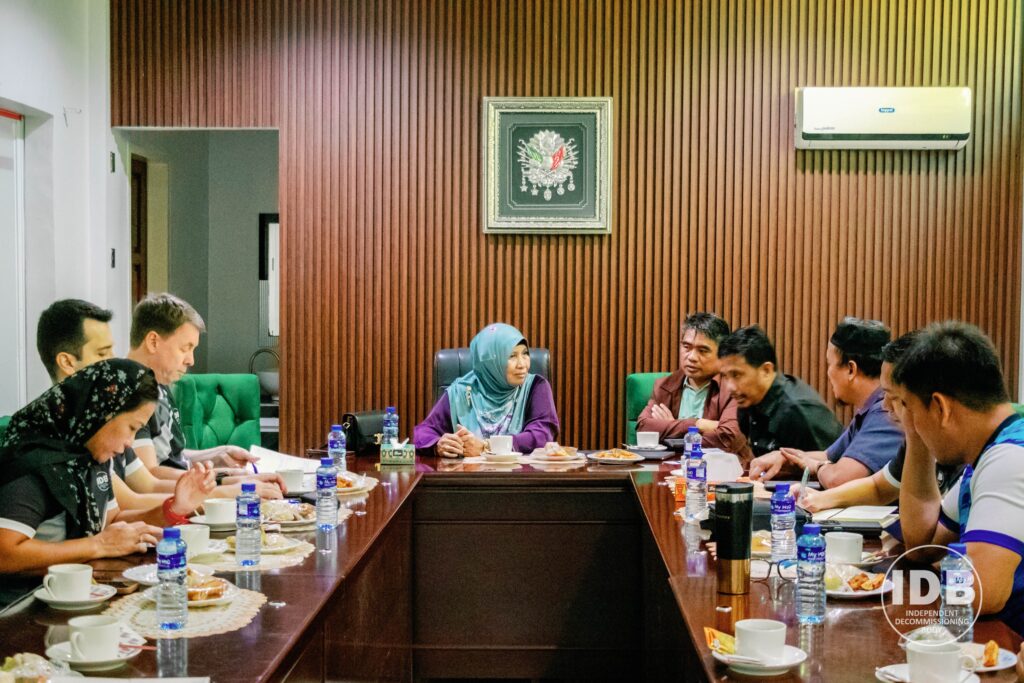
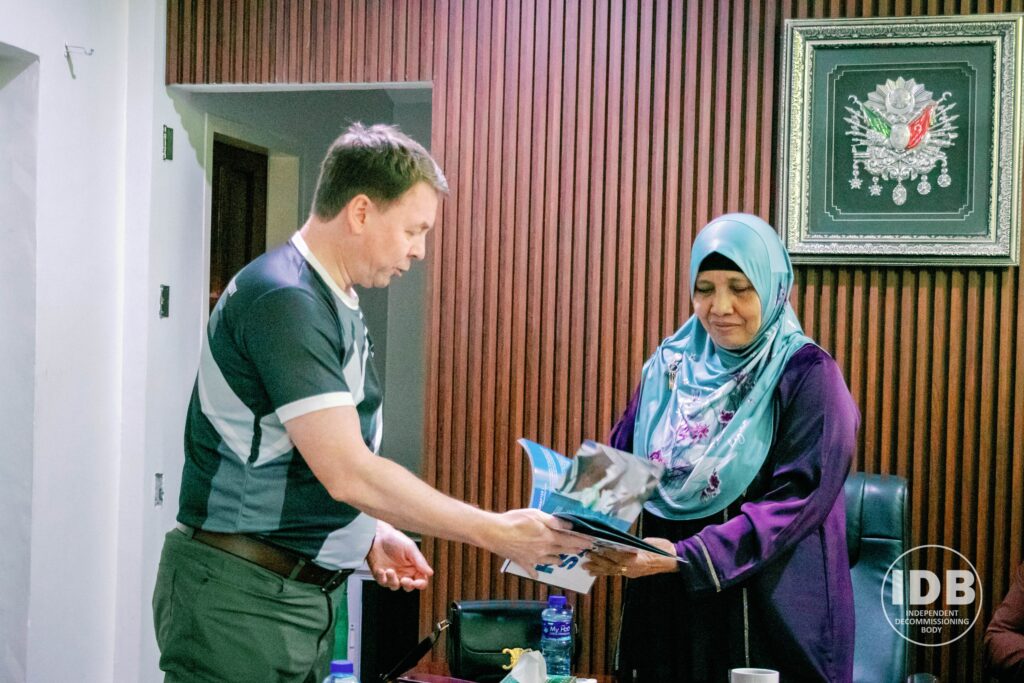
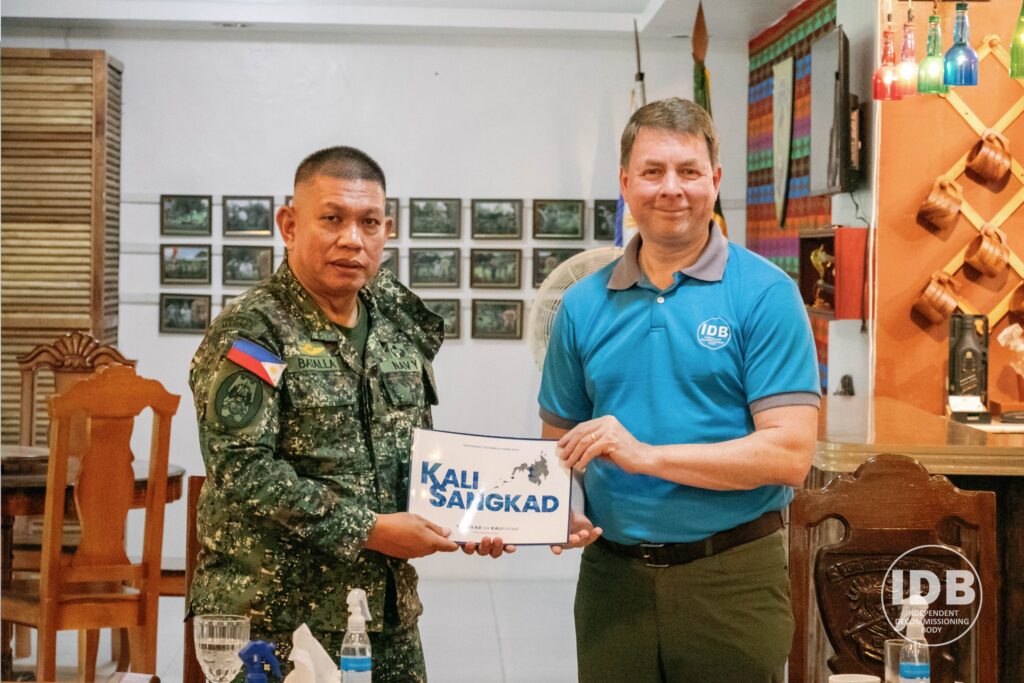
The IDB, a body composed of international and local experts, ensures that the sensitive process of turning former combatants into productive civilians remains transparent and credible through the consistent courtesy visits, designed to bridge the transition in command, began on October 15 with a meeting at the Joint Peace and Security Team (JPST) Operations Center. This initial visit was particularly significant, as the JPST—a joint peacekeeping force composed of contingents from the security forces and former combatants and is also an element in providing security for the decommissioning activities and maintaining peace in conflict-affected communities. The schedule continued on October 16 with a courtesy visit to Camp Darapanan, followed swiftly on October 17 by visits to the 1st Marine Brigade and the regional police headquarters in Parang. Subsequent engagements included the Maguindanao del Norte Provincial Police Office (PPO) on October 23 and concluded on November 10 with a courtesy call at the City Mayor’s office.
These structured visits underscore the new leadership’s commitment to seamless implementation and collaboration across the entire normalization structure. By directly engaging security forces and local government units and the partners on the ground. The IDB ensures that the technical process of arms and forces decommissioning remains aligned with the essential socio-economic and community-based support programs for the former combatants. This proactive coordination is important for sustaining the momentum of the peace agreement and fostering an environment of stability and development as the region moves toward full normalization.